
Download PDF: COMING SOON
Competing interests: Dr. Zimmerman is mostly federally funded but also receives investigator-initiated grants on influenza and pneumococcal vaccines and consulting from Sanofi Pasteur and from Merck (the latter after the first submission).
This paper did not receive any funding.
Disclaimer: This paper represents the views of the author and not of his institution or of any funding organization.
Abstract
In 2026, the US is facing its largest measles outbreak in decades, driven largely by vaccine hesitancy. This article explores the scientific and theological foundations for receiving the measles, mumps, and rubella (MMR) vaccine. It presents an overview of measles, mumps, and rubella diseases, vaccine efficacy, safety, and ethical concerns, especially among faith communities. Drawing on Scripture, doctrine, and historical theological voices, it argues that scientific truth is part of God’s revelation and that vaccination is a moral and loving act of care for others. After addressing common objections, the article encourages Christian healthcare professionals to promote vaccination as both medically wise and biblically faithful.
Keywords: measles, rubella, MMR, vaccine ethics
Introduction
In 2026, the US is experiencing the largest measles outbreak in decades, with 1,671 cases through April 2, 2026. The 2025 outbreak of 2,286 cases had an 11% hospitalization rate and 3 preventable deaths (CDC 2026). Only 4% of cases received the recommended 2 doses of measles, mumps, and rubella (MMR)vaccine. Many of these cases occur in communities of faith. The purpose of this article is to review the biblical and scientific justifications for using the MMR. To do so requires a review of Christian epistemology, the diseases themselves, vaccine efficacy and safety, vaccine hesitancy, common objections and counterarguments, and scriptural admonitions for prevention and care for others.
Framing Our Epistemology: God’s Truth in Scripture, Creation, and Providence Includes Scientific Truths
At a fundamental level, Christians affirm that the speech of God, which is always truthful, results in Scripture, creation, and providence. Though the specifics differ within the various traditions of the Christian faith, the so-called cultural mandate expressed in Genesis 1:26–28 is understood to direct humans to have dominion/stewardship of creation, multiply, and promote flourishing. The fields of science and medicine can be understood within a Christian worldview to flow directly from it. “The God of Christian theism and the conception of his counsel as controlling all things in the universe is the only presupposition that can account for the uniformity of nature that the scientist needs” (Van Til 2003). Similarly, the theologian Herman Bavinck notes: “Because the universe is God’s creation, it is also his revelation and self-manifestation. There is not an atom of the world that does not reflect his deity” (Bavinck 2015). Indeed, discoveries based on such regularities are true whether they were found by Christians or atheists. As John Calvin wrote: “All truth is from God; and consequently, if wicked men have said anything true and just, we ought not to reject it; for it has come from God” (Calvin 1960).
Having established a basic epistemological framework for Christian thought and engagement, it is important to examine the specific nature of the diseases under question before turning to a discussion of the MMR.
Understanding the Diseases: Measles, Mumps, and Rubella
Measles virus is highly contagious even without direct contact because airborne respiratory droplets remain infectious for 2 hours (CDC 2021b; Bloch et al. 1985). The period of communicability begins four days before the onset of rash, meaning that infectious persons can spread the virus without knowing it. Mumps and rubella likewise can be spread before classic symptoms occur (Table 1).
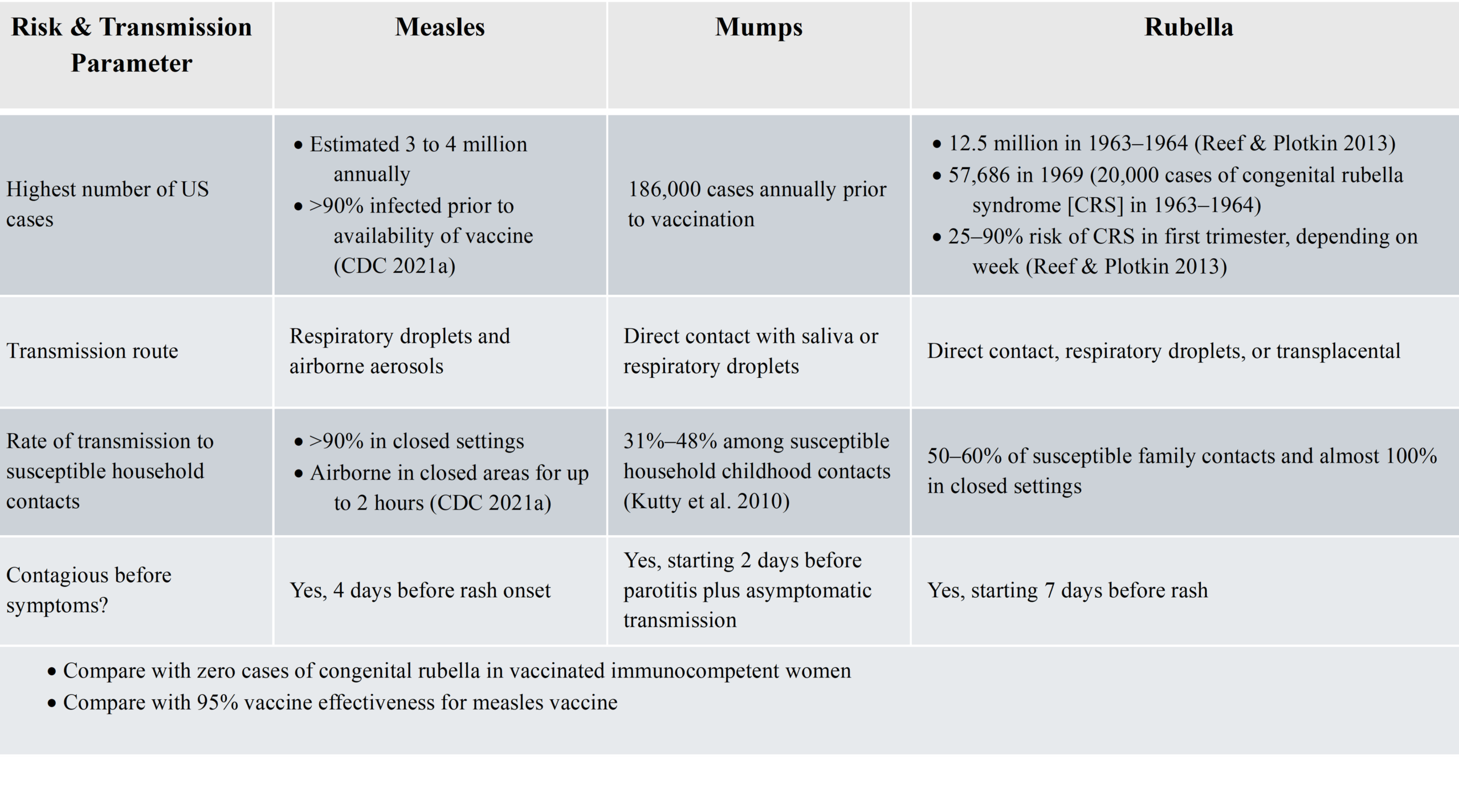
Table 1: Risk and Transmission of Acquiring Wild Measles, Mumps, and Rubella
Symptoms of measles include fever, cough, coryza, conjunctivitis, and rash. Complications consist of diarrhea, dehydration, pneumonia, otitis media, encephalitis, and subacute sclerosing panencephalitis, which eventually leads to progressive neurological decline and death (Table 2). About 30% of cases have complications. Before vaccination, an estimated 3–4 million cases occurred annually in the US, resulting in 500 deaths (CDC 2021b).
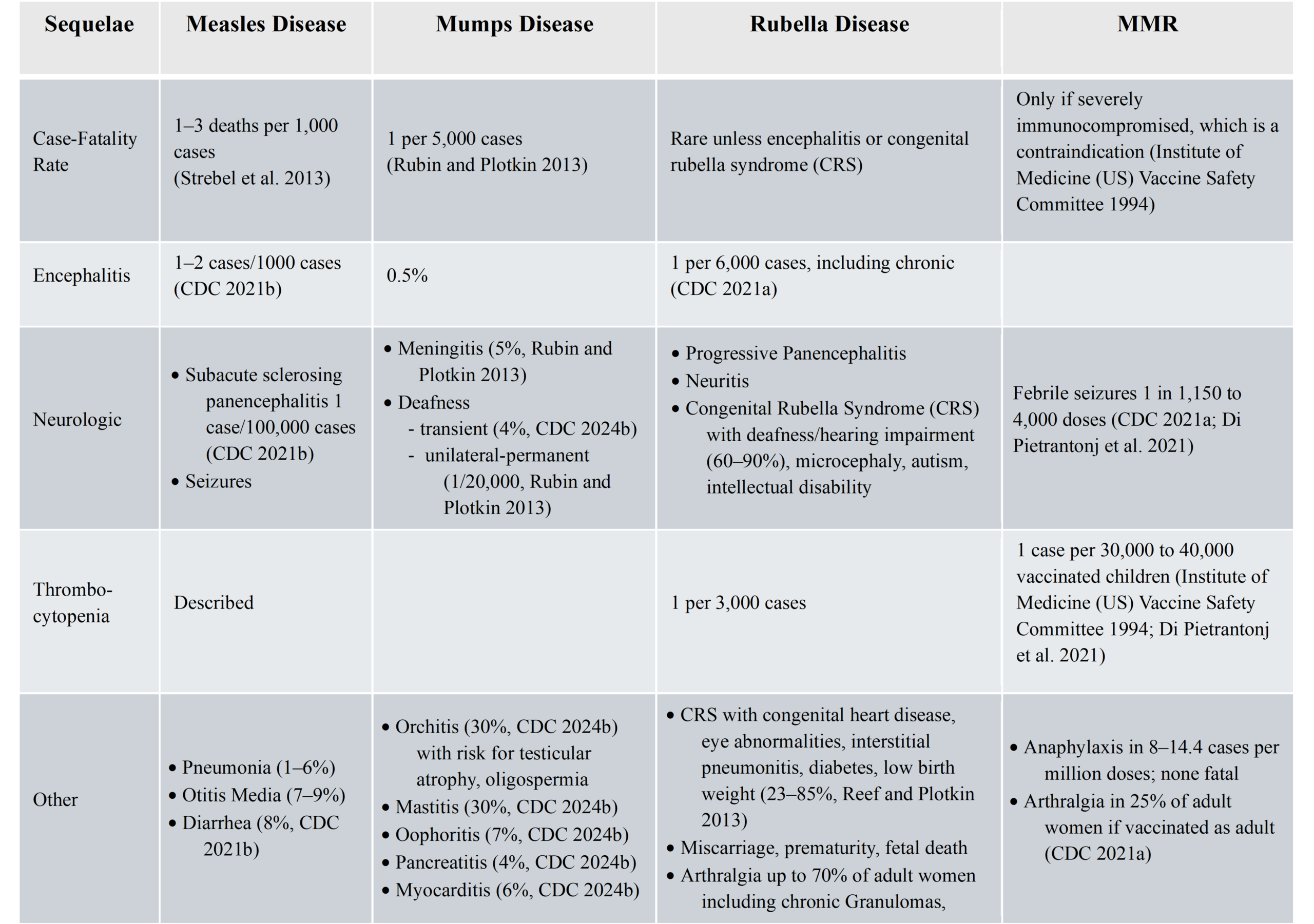
Table 2: Risk of Complications or Sequelae from Measles, Mumps, and Rubella Diseases Versus MMR Vaccine
Complications of mumps include meningitis (5%), deafness, orchitis (30%), mastitis (30%), and myocarditis (6%), depending on the reference (CDC 2024a; Rubin and Plotkin 2013, 419–21). Sequelae include testicular atrophy, oligospermia, and permanent hearing loss, which may be unilateral.
In the 1963–1964 rubella outbreak in the United States, involving an estimated 12.5 million cases, the burden included 159,375 cases of arthritis/arthralgia and 2,084 cases of encephalitis. Congenital rubella syndrome (CRS) or fears of it led to 5,000 elective abortions, 6,250 miscarriages/spontaneous abortions, and 2,100 stillbirths. Of the 20,000 CRS cases in that epidemic, 8,055 children were deaf, 3,580 were both deaf and blind, and 1,790 were intellectually disabled (Reef and Plotkin 2013, 688–96).
A Report from a Measles Survivor
For many outside technical professions these numbers are all too easily glossed over and can serve to mask the real-life suffering and impact of these diseases. Melissa Thomas, a 2018 measles survivor, wrote about her firsthand experience from a past outbreak:
The rash covered my whole body and I looked as if I had third-degree burns. My eyes were swollen shut and pneumonia had set in. My arms and legs were going cold . . . . That was when they said it got really close to the end. Mum had arrived and went to call Dad. They feared the worst . . . . I ended up spending 10 days in hospital, four in intensive care. . . . I still couldn’t speak. I also lost my sense of taste for weeks and had to take two months off my work. Later, my hair started falling out (Thomas 2019).
This narrative helps to bring the statistics of the disease impact more clearly into focus. We now turn to a discussion of the MMR vaccine itself, to promote a better understanding of what is involved before offering an argument for Christian use of this vaccine.
Understanding the MMR Vaccine
The MMR vaccine is a live attenuated vaccine. After two doses of vaccine, 99% of children produce detectable measles antibodies (CDC 2021b). A Cochrane Library review of 138 studies with 23 million participants found that the measles vaccine was 95% effective after one dose and 96% effective after two doses (Di Pietrantonj et al. 2021). The calculation for a number needed to vaccinate (NNV) is one over the absolute risk reduction. If the lifetime risk before the introduction of the measles vaccine was 90% and the effectiveness of two doses is 96%, then 1/(0.9*0.96) = 1.16 for NNV, albeit this is an illustration based on pre-vaccine era data. As Figure 1 shows, the dramatic decrease is due to vaccination, because general sanitation measures were already available prior to the notable drop in reported cases. Indeed, the measles vaccine has reduced deaths by 85,000, hospitalizations by 13,172,000, and cases by 104,984,000 in the US from 1994 to 2023 (Zhou et al. 2024).
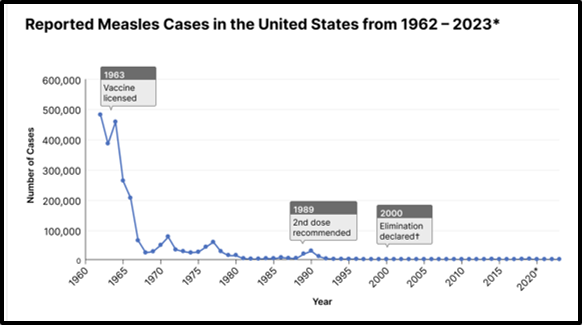
Figure 1. Reported Measles Cases in the United States from 1962–2023. (Source: “Measles Cases and Outbreaks,” Centers for Disease Control and Prevention, updated July 16, 2025, https://www.cdc.gov/measles/data-research/index.html.)
The primary risks from the MMR vaccine are rash (5%), fever (5–15%), and febrile seizures (1 in every 1,150–4,000 doses) without sequelae (Di Pietrantonj et al. 2021; CDC 2021b). All of these are far less common than from wild measles disease. Indeed, the Cochrane review noted that febrile seizures occur in 2% to 4% of healthy children at least once before the age of 5 years, compared to their estimate of 1 per 1,700 to 1 per 1,150 administered MMR vaccine doses. Injection site pain also occurs. Anaphylaxis occurs in 8 to 14.4 cases per million doses (CDC 2021b). Due to the rubella component of MMR vaccines, 25% of women recipients experience arthralgias, which lasts for days to a few weeks (CDC 2021b). Rarely, the MMR vaccine causes immune thrombocytopenic purpura (ITP) at about 1 case per 40,000 vaccinated children, which is typically transient (Di Pietrantonj et al. 2021). The Cochrane review noted that natural infection leads to 1 case per 20,000, and that the risk of ITP is smaller after vaccination than after infection (Di Pietrantonj et al. 2021). The Cochrane review found no evidence of association between the MMR vaccine and autistic spectrum disorders, encephalitis, cognitive delay, type 1 diabetes mellitus, asthma, or multiple sclerosis. Because severely immunocompromised persons have experienced complications from live MMR vaccines, it is contraindicated in such persons. The MMR vaccine does not contain thimerosal, which was a preservative that was previously used in some other vaccines and that has been controversial in some circles because it contains a mercury compound, although no evidence of the tiny amount of mercury in those vaccines has been linked to harm.
The vaccine coverage required for measles herd immunity is 93% (College of Physicians of Philadelphia 2025). If it falls below that, outbreaks will recur. As can be seen in Figure 2A, coverage in many states is below that level, and outbreaks of measles are more common in those states, as seen in Figure 2B. Simulations showing the impact of high versus moderate coverage levels on measles cases are in Figure 3.
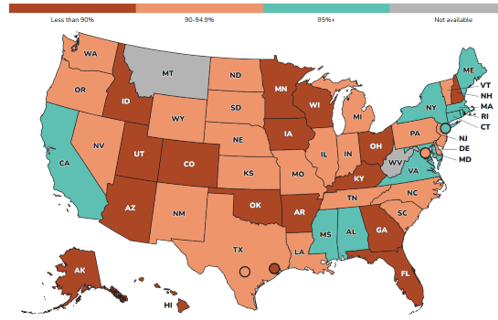
Figure 2A. MMR vaccine coverage for kindergartners in 2024–2025 by state, showing many states below community (herd) immunity threshold. (Source: “Measles Cases and Outbreaks,” Centers for Disease Control and Prevention, March 30, 2026, https://www.cdc.gov/measles/data-research/index.html.)
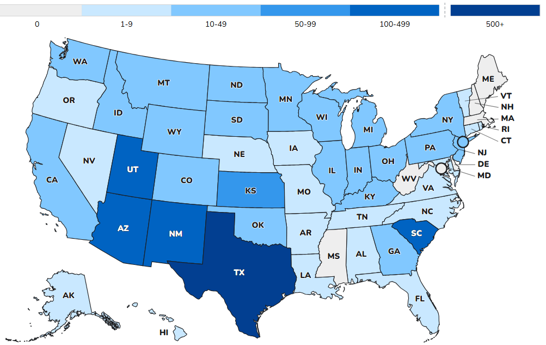
Figure 2B. Map of measles cases among US residents, 2025. (Source: “Measles Cases and Outbreaks,” Centers for Disease Control and Prevention, accessed March 30, 2026, https://www.cdc.gov/measles/data-research/index.html.)
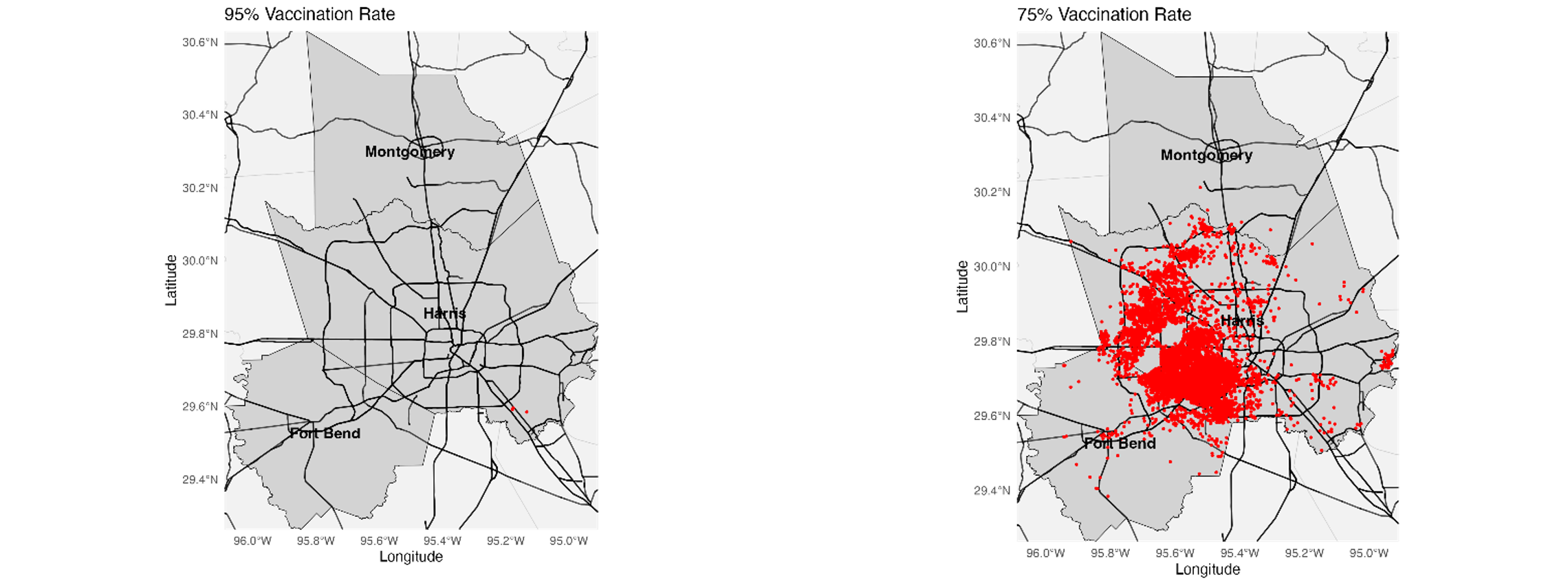
Figure 3. Comparison in measles cases by 75% versus 95% vaccine coverage in simulation in Harris County (Houston), Texas, with red showing cases.
(Source: “FRED [Framework for Reconstructing Epidemiological Dynamics ] US Measles Simulator,” Public Health Dynamics Laboratory, University of Pittsburgh, https://fred.publichealth.pitt.edu/measles. This image is the result of a special run for higher resolution image done by the lab in 2025.)
Review of Vaccine Hesitancy on the Internet and Social Media
Despite the overall evidence for vaccine safety and the rarity of serious adverse response as noted above, trends of rising incidence of vaccine hesitancy continue to become more apparent. While this rise is the result of a number of contributing factors, an important one is the increase in misinformation and disinformation that propagates easily across online platforms. As Garett and Young note, this vaccine misinformation can come in many forms, including online news, websites, and social media. Such misinformation involves various allegations, including that gene mutations occur after vaccination, vaccines are not effective, vaccine science is “dodgy,” and vaccines will infect one with the virus (Garett and Young 2021). Given the influence such platforms have on the general population and public sentiment and behavior, we will briefly explore some of the relevant data from social media and the broader internet.
One study mapped vaccine controversy on Facebook into clusters that are “anti-vaccine,” undecided, or pro-vaccine (Johnson et al. 2020). Although smaller in size, anti-vaccine clusters are highly entangled with undecided clusters, whereas pro-vaccine clusters are more peripheral. The theoretical framework developed by Johnson et al. reproduces the recent explosive growth in anti-vaccination views and shows the high growth of such views during the measles outbreak of 2019. They found that anti-vaccination clusters offer a wide range of potentially attractive narratives that blend topics such as safety concerns, conspiracy theories, and alternative medicine.
Examining information that is critical about vaccines on the web, Kata analyzed the various tactics and “tropes”—that is, oft-repeated mottos or phrases. Such tactics include “skewing the science” (that is, rejecting science that does not support the activist’s positions), shifting hypotheses by progressively developing new theories as to how vaccines cause harm, and attacking critics, such as ad hominem attacks. Common tropes include the following: “vaccines are toxic”; “you can’t prove vaccines are safe”; “vaccines are unnatural”; “science was wrong before”; “you are in the pocket of big pharma”; and “I’m an expert on my own child” (Kata 2012).
In one study, the most common characteristic of vaccine-critical websites is the inclusion of statements linking vaccinations with specific adverse reactions, especially idiopathic chronic diseases such as multiple sclerosis, autism, and diabetes. Other common (≥ 75% of websites) characteristics are links to other vaccine-critical websites, charges that vaccines contain contaminants that cause adverse events, allegations of conspiracies to hide the truth about vaccine safety and efficacy, appeals for responsible parenting through education and resisting the establishment, claims that vaccines provide only temporary protection against mild illnesses (and, therefore, are not worth the risk), and charges that civil liberties are violated through mandatory vaccination. Other frequent criticisms are claims of conflict of interest between manufacturers, policymakers, and physicians; that conventional medicine is wrong; and that physicians are misinformed about vaccines and “back to nature” alternatives should be used. Emotive appeals are made with pictures of needles and pictures or stories of children allegedly harmed by vaccination (Zimmerman et al. 2005).
Allegations of vaccine side effects often rely on logical fallacies and previously debunked claims (Kata 2012). For example, a false dilemma may present only two options—such as blaming a vaccine for a disability or denying the disability—ignoring other causes like genetics or accidents. Another common fallacy is post hoc ergo propter hoc, assuming that if one event follows another, the first caused the second—like believing a team won because someone wore a “lucky” shirt. Allegations about autism have been thoroughly refuted by multiple studies and reviews, including the Institute of Medicine (Madsen et al. 2002; Institute of Medicine (US) Immunization Safety Review Committee 2004; DeStefano and Shimabukuro 2019). The primary article alleging this adverse effect was retracted (Wakefield et al. 1998; The Editors of The Lancet 2010). Its lead investigator received large payments for litigation against an MMR manufacturer and lost his medical license (Deer 2011; Fitness to Practise Panel General Medical Council 2010). Indeed, as to vaccines in general, Christian Medical & Dental Associations (CMDA) states, “Significant adverse events from vaccines are rare” (CMDA 2021b).
Other Reasons for Vaccine Hesitancy and Counterarguments
While online misinformation and disinformation may play a prominent role, multiple other factors also contribute to the rising trend of vaccine hesitancy, including COVID-19 fatigue, concern about moral complicity, distrust of science, purported conflicts of interest, disagreements about truth, confusion about God’s sovereignty, and heuristics. While a more robust analysis of these various concerns is beyond the scope of this article, nonetheless, I offer some preliminary responses to these additional concerns.
As is commonly acknowledged, the social disruption resulting from the various public health policies and governmental responses was significant. As a result, social fatigue resulting from the lived experience of these responses to COVID-19 is common due to the prolonged pandemic’s social distancing along with rising skepticism due to the multiple COVID-19 vaccine updates. This social fatigue and rising skepticism related to COVID-19 also appears to be having secondary impact contributing to the decline in vaccine uptake more broadly. It is important to note, however, regardless of the concerns raised with respect to the COVID-19 vaccine, there are significant differences between the COVID-19 and the MMR vaccines that make such comparisons rather tenuous. MMR is a live viral vaccine, which does not use messenger RNA or viral vector technology, predated COVID-19 by decades, and has an excellent safety and effectiveness record.
Some have also raised concerns about the provenance of vaccine cell lines and the potential for concerns about moral complicity. The claim is made that several vaccines are grown in nearly perpetual cell lines that were derived from a few abortions that occurred decades ago, raising concerns about moral complicity with evil. The Christian Medical & Dental Associations (CMDA) define such moral complicity with as “culpable association with or participation in wrongful acts” (CMDA 2004). The rubella vaccine virus, a component of MMR, is grown in one such cell line. Christian clinical ethicist Robert Orr proposes that criteria for addressing moral complicity includes: (1) timing, (2) proximity, (3) certitude, (4) knowledge, and (5) intent (Orr 2003). For fetal cell lines, the timing is remote since they were developed in the 1960s and 70s. Likewise, proximity may be assessed as remote since the abortionist is separated from the researchers, who are themselves separated from vaccine manufacturers, who are further separated from the clinicians administering the vaccines and their patients (Zimmerman 2004; CMDA 2021b). No new abortions are needed to perpetuate these lines. Vaccine refusal now cannot change the past and will not affect the abortion debate. The intentions of vaccine makers, clinicians, and parents are to prevent disease and reduce suffering—clearly good motives. Nonetheless, according to the CMDA statement,
Patients with decision-making capacity have the right to refuse treatment, even when such refusal would bring them harm. When a patient’s refusal of treatment threatens the lives of others, the patient’s right to refuse treatment should be subordinate to the protection of others and be considered a matter of public interest and responsibility (i.e., tuberculosis or infectious disease treatments) (CMDA 2021a).
Similar arguments have been made by the US Conference of Catholic Bishops (USCCB). In their 2019 letter to the FDA, they advocated for the agency to use “its authority to facilitate the availability of vaccines that do not utilize cell lines derived from the tissue of aborted babies” (USCCB 2019). The USCCB, however, also publicly noted that when no such alternative exists, in concordance with the Pontifical Academy for Life, “Catholics may licitly accept vaccination for themselves and their children using a vaccine based on tissue from abortion” (USCCB 2015). While the guidance goes on to note specific cases in which refusal may be permissible, the general argument of the document is to affirm the licit use of such vaccines as a matter of conscience.
Another rising concern is related to an increasing public skepticism of academic authority and expertise (Nichols 2024). One manifestation of this broader trend is a growing distrust of science in general among a segment of the Christian subpopulation. While historical tensions have arisen at times that have strained the relationship between science and the Christian faith, nonetheless many Christians in the modern era have generally held that scientists who correctly find truth are thinking God’s thoughts after him. Indeed, many prominent scientists were believers, including Issac Newton, Lord Kelvin, and Joseph Lister. Furthermore, a prominent understanding of the Christian doctrine of common grace—that is, “every undeserved providential act of God’s restraint, goodness, and mercy toward the sinful inhabitants of this fallen world” (Ligonier Ministries, n.d.)—is based on passages such as Genesis 9:11ff and Matthew 5:45. Such passages affirm the conclusion that truth is not only the purview of the church, but that secular scientists also can find truth.
While this acknowledgement can be easily made, it is also the case that many scientists fail to recognize the issue of reproducibility in that a sizable percentage of medical and scientific studies are not replicable (Ioannidis 2005, 218–28). Indeed, type 1 error and type 2 error levels are often set at 5% and 20%, respectively, in many clinical trials. Thus, humility is needed until scientific studies are replicated and conclusions are consistent. Nevertheless, theologian Herman Bavinck wrote: “Science, art, moral, domestic, and societal life . . . were derived from that common grace and acknowledged and commended with gratitude” (Bavinck 2015). Furthermore, John Calvin noted, “But if the Lord has been pleased to assist us by the work and ministry of the ungodly in physics, dialectics, mathematics, and other similar sciences, let us avail ourselves of it, lest, by neglecting the gifts of God spontaneously offered to us, we be justly punished for our sloth” (Calvin 1960). Although contemporary beliefs may lead some to be skeptical of science and authority (Kata 2012, 3778–84), this tendency needs to be balanced among Christians with at least some acknowledgment of the doctrine of common grace and its relevance for a basic affirmation of scientific truth.
Alongside the growing distrust of science and scientists, there are also rising concerns about various potential conflicts of interest (COI). Here it is important to mention that the Advisory Committee on Immunization Practices (ACIP), which is chartered by Congress to advise the government on civilian immunization policy, has strict rules on COI (CDC 2022). These rules restrict employment, royalties, and other COI with vaccine manufacturers; in addition, any allowable COI must be declared publicly, and the holder is recused from voting on items relevant to the COI. Of note, the ACIP has been on hiatus in 2026.
The issue of “whose truth” follows from the distrust in science. Many scientists hold anti-supernatural presuppositions, and their interpretations of natural phenomena follow from their materialist presuppositions. Covenantal apologetics (aka presuppositional apologetics), a form of intellectual and cultural engagement from within the Reformed theological tradition, emphasizes the importance of identifying conflicting presuppositions (Van Til 2003). Regardless of the presuppositions of the scientists though, it must also be recognized nonetheless that the scientific findings themselves may be true. As the Bereans searched the Scriptures (Acts 17:11), so too thoughtful believers concerned about MMR vaccine should search for reproduced science that has minimized type 1 and type 2 errors. The large amounts of peer-reviewed data on MMR surely meet these criteria, and key information regarding this evidence is provided in Tables 1 and 2.
Furthermore, this context of growing mistrust in science, broader cultural trends embracing relativism, and concerns about potential conflicts of interest were exacerbated by the COVID-19 pandemic and ultimately led many in the general public to distrust public health and other relevant medical experts (Garett and Young 2021). It is beyond the scope of this paper to discuss the role of scientists in the COVID-19 response. Regardless of the specific contributions and/or advice that was given, it is still critical to acknowledge the important role that expertise plays in developing policy guidance. One can even go so far as to suggest that expertise (at least in some forms) is commended in the Bible. For instance, the skills of Oholiab and Bezalel were specifically called out by God in crafting the tabernacle, demonstrating the importance of the expertise and its contribution in service to the Lord (Exod 35:30–36:1). Healthcare professionals too have an area of expertise that should be cultivated in the context of vocation and faithful service and care for their patients. According to the Christian Medical & Dental Associations (CMDA), one such application of this is that healthcare professionals should use their expertise to encourage vaccine usage (CMDA 2021b). Of course, humility is a fruit of the Holy Spirit, and clinicians should be careful to speak within their areas of expertise rather than on topics about which they have less knowledge. Indeed, some critics of vaccines claim for themselves expertise because they found “information” online (Kata 2012, 3780). In summary, while expertise is something that appears to be affirmed in the Bible, it needs to be limited to the domain of the expert and wielded with humility.
Another argument that has been raised among some Christians in favor of vaccine hesitancy is to invoke some reference to divine sovereignty. This author has been told by a patient the following: “God is sovereign; therefore, vaccination is unneeded because God will determine whether or not I am infected and the outcome if I am infected.” This statement intentionally or unintentionally makes quite a few theological assumptions about God’s sovereignty, human responsibility, and determinism. To resign all responsibility for contracting or transmitting measles suggests an implicit commitment to philosophical determinism, leaving humans to dance on the strings of a grand puppet master. As a counterexample, one might pose the scenario of a parent who allows their precious child to walk on a dangerous highway, claiming that God is sovereign. Should such a thing be encouraged? I dare say not! This would be masquerading a deterministic or fatalistic worldview as sovereignty.
Determinism contrasts with a more robust theological conception deeply rooted in the whole of Scripture that recognizes the implicit tensions in affirming both the sovereignty of God and human responsibility. From the standpoint of morality and Christian ethics, commandments would seem wholly unnecessary if human actions are all predetermined rather than ordained. Consider, for instance, how David’s sinful census results in a choice of consequences in 1 Chronicles 21:11–12. While it is a divine mystery of how precisely God’s sovereignty and human responsibility within the various are simultaneously upheld (one that is heavily disputed within the various Christian theological traditions), the Westminster Confession of Faith can offer some helpful guidance navigating these tensions:
From all eternity and by the completely wise and holy purpose of his own will, God has freely and unchangeably ordained whatever happens. This ordainment does not mean, however, that God is the author of sin (He is not), that he represses the will of his created beings, or that he takes away the freedom or contingency of secondary causes. Rather, the will of created beings and the freedom and contingency of secondary causes are established by Him (Westminister Confession of Faith in Modern English 2010).
Finally, there is a grouping of heuristics—that is, mental shortcuts used in decision-making—that have been identified in popular arguments in favor of vaccine hesitancy that can lead to errors in judgment within the Christian community. Several of these heuristics and preliminary biblical and theological responses are provided in Table 3. Among these are omission versus commission bias, natural versus man-made risk bias, and compression, which is the overestimation of rare vaccine risks and the underestimation of the morbidity of vaccine-preventable diseases. Prominent responses include promoting truth-telling, seeking advice from experts in epidemiology and vaccine safety (Exod 35:30–36:1), and resting in the peace of Christ (Phil 4:6–7).
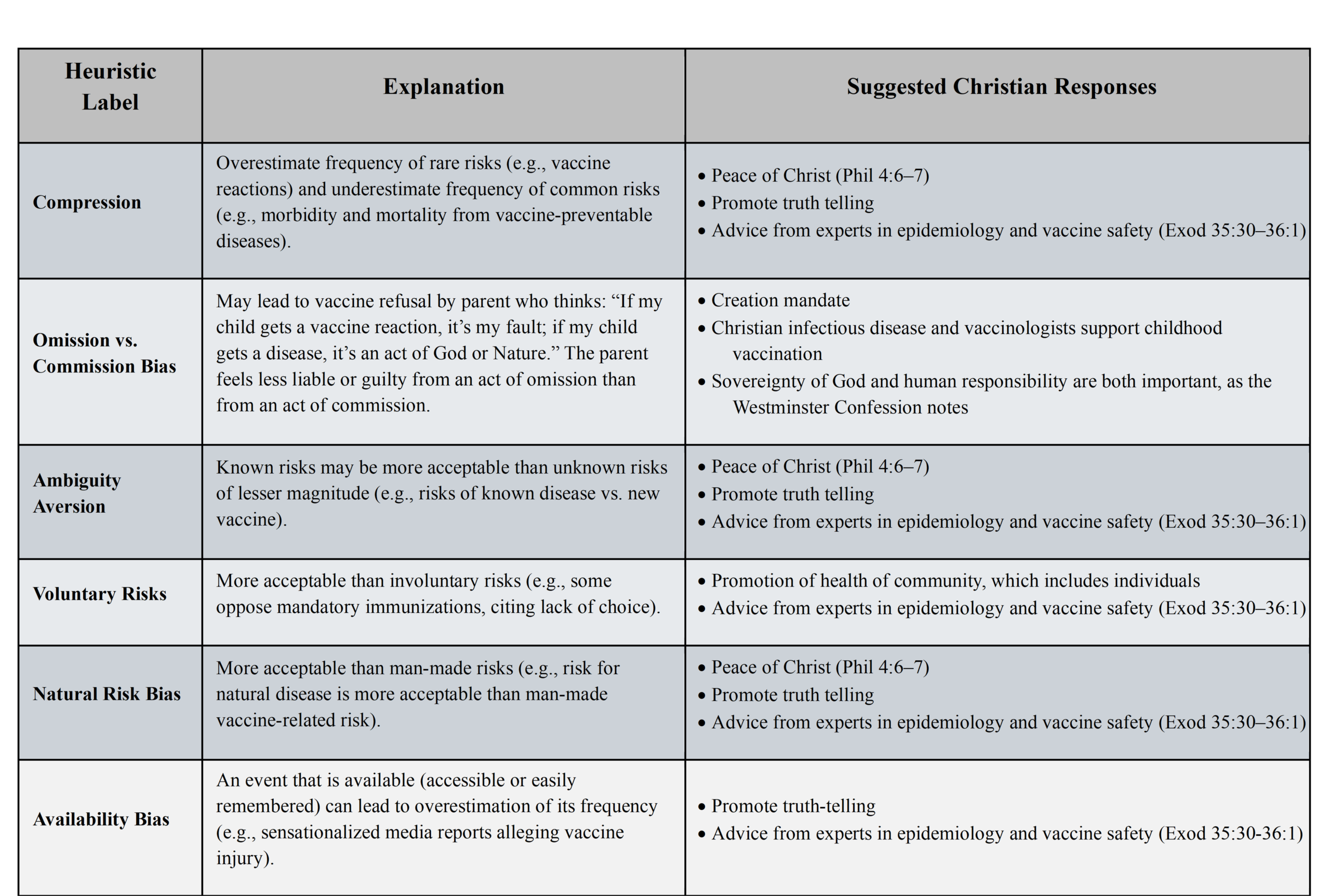
Table 3: Heuristics that affect vaccine hesitancy
Scriptural Admonitions for Prevention and Caring for Others
Having identified and offered some preliminary responses to the prominent arguments advancing vaccine hesitancy, we now turn to examine broader Christian guidance to guide a response to this issue. Such guidance especially focused on the prevention and care for others, I suggest, should be developed from a biblical perspective examining four distinct areas: (1) the cultural mandate, (2) scriptural passages promoting prevention, (3) biblical teaching on justice, and (4) admonitions to care for one another. While we can only begin to develop these ideas here, it is my hope that this will generate more robust response within the broader biblical and theological discourse of this issue within Christian bioethics.
One outworking of the cultural mandate (or what some like Christopher Watkin refers to as the creation mandate) as affirmed in Genesis 1:26–28 can be seen in the development of the fields of science and medicine. While the exercise of dominion and stewardship within the context of the natural world and the human body requires careful development, nonetheless it is important for a Christian to consider the implications of the exhortation of the cultural mandate in the context of medicine and technology uptake. For instance, while unpacking this passage from Genesis, Watkin concludes: “In view of this, the idea that Christians should not take aspirin or participate in any sort of medical research is wrong. . . . In the anti-medicine view: ‘We should not try to improve the human condition in this way or that, the argument goes, because to do so would be to usurp God’s prerogative’” (Watkin 2017). By way of contrast he argues, “In the creation mandate, that is precisely what God tells Adam and Eve to do!” (Watkin 2017). One also thinks of Jesus’ ministry, which included many physical healings, something he further commanded of his followers (Matt 10:8a).
The second area, prevention, is a subtle but recurring theme throughout biblical guidance. One can see this in passing, such as the need for railings when people stayed on a flat roof for the cool of night in an arid area: “When you build a new house, be sure to put a railing around the edge of the roof. Then you will not be responsible if someone falls off and is killed” (Deut 22:8, GNT). Furthermore, punishment was in order if preventive measures were not taken: “If, however, the bull has had the habit of goring and the owner has been warned but has not kept it penned up and it kills a man or woman, the bull is to be stoned and its owner also is to be put to death” (Exod 21:29, NIV). Luther similarly affirms this principle in the context of infectious diseases:
I shall ask God mercifully to protect us. Then I shall fumigate, help purify the air, administer medicine, and take it. I shall avoid places and persons where my presence is not needed in order not to become contaminated and thus perchance infect and pollute others, and so cause their death as a result of my negligence. . . . Moreover, he who has contracted the disease and recovered should keep away from others and not admit them into his presence unless it be necessary . . . he in turn should, after his recovery, so act toward others that no one becomes unnecessarily endangered on his account and so cause another’s death (Luther 1999, 132, emphasis added).
Demonstrating how seriously the church took this commitment to prevention historically, during the polio outbreaks of the 1950s and 1960s, US churches took a leading role in prevention efforts and served as vaccination centers. CMDA unequivocally identifies the preventive role vaccines have played, stating, “vaccines have significantly reduced the incidence of life-threatening infections and have saved lives” and “vaccines are an important part of maintaining health, especially in children” (CMDA 2021b).
The third area is the promotion of justice, which is a theme consistently emphasized throughout the biblical narrative. The Lord loves justice (Isa 61:8) and commands it (Mic 6:8). Likewise, the Psalmist declares, “Give justice to the weak and the fatherless; maintain the right of the afflicted and the destitute” (Ps 82:3, ESV). A frequently discussed justice-based concern that arises from within a communal ethical perspective is what is often referred to as “freeriding.” Freeriding is when an individual parent intentionally depends on herd immunity to protect their own children by relying on other parents to vaccinate their children without joining in the collective effort by vaccinating their own children. By reducing the effectiveness of herd immunity or risking falling below population uptake levels necessary through decreasing vaccination rates, freeriding also fails to protect those who, due to no fault of their own, cannot be vaccinated due to a medical contraindication or whose genetics preclude response to vaccination. By way of contrast, the biblical authors call us to a concern for the welfare of others that extends beyond ourselves; as the prophet Jeremiah notes, we are to seek the welfare of the city: “for in its welfare you will find your welfare” (Jer 29:7 ESV).
Finally, a fourth area extends this concern for the welfare of others through the specific biblical admonition to “love one another.” The recurring teaching of the “love one another” passages throughout the New Testament support the caring for another, with direct attention to caring for physical needs. As John writes, “our love should not be just words . . . [it] shows itself in action” (1 John 3:18, GNT). The Gospel writer Matthew states, “He will reply, ‘Truly I tell you, whatever you did not do for one of the least of these, you did not do for me’” (Matt 25:45, NIV). As noted earlier, being vaccinated dramatically reduces the risk that one will transmit the measles, mumps, or rubella virus to others. Given that some persons cannot respond to the MMR vaccine or take it due to valid medical contraindications, those who can receive the vaccine can provide a cocoon of protection for those who cannot, thereby practically showing love for one another. As the apostle Paul wrote, “Do nothing out of selfish ambition or vain conceit. Rather, in humility value others above yourselves” (Phil 2:3, NIV). Such teaching is fully consistent with a view that supports vaccination for the sake of community protection. Much more can and should be developed here, but these thoughts are offered to spur additional reflection.
Concluding Thoughts
Conversations on vaccine hesitancy in general have become highly polarizing and contentious. Nonetheless, these are essential conversations we must have for the good of society even if they are uncomfortable. Reframing techniques are recommended for those involved in conversations with individuals who are hesitant about the MMR vaccine (FrameWorks Institute2023a). First, for vaccines given a few times in a lifetime, consider using the analogy of a flight simulator. To prepare pilots to respond in the event of a life-threatening aeronautical event, be it atmospheric or mechanical, they train with a simulator so that they are prepared to respond instead of learning during an actual emergency. Similarly, vaccines prepare the immune system to fend off an invasion from a pathogen in advance of the attack. Second, for annual or often repeated vaccinations, use the analogy of a software update for a computer or cell phone (FrameWorks Institute 2023b). Computer viruses do attack software systems and damage them; software updates prevent such attacks. Similarly, updates to the influenza vaccine prepare the immune system for the latest strains.
In closing, CMDA offered the following exhortation: “[healthcare providers] should use their expertise to encourage vaccine usage within their communities and churches” (CMDA 2021b). This author would like to make a similar plea to encourage colleagues to share these ideas with their pastors, within the local churches, and with the Christian church more broadly. On a personal note, this author and his children have been vaccinated with MMR and are thankful for it.
References
Bavinck, Herman. 2015. Reformed Dogmatics. 4 volumes. Edited by John Bolt. Translated by John Vriend. Baker Academic. Apple Books.
Bloch, Alan B., Walter A. Orenstein, William M. Ewing et al. 1985. “Measles Outbreak in a Pediatric Practice: Airborne Transmission in an Office Setting.” Pediatrics 75 (4): 676–83. https://doi.org/10.1542/peds.75.4.676.
Calvin, Jean. 2022. Institutes of the Christian Religion. 2 volumes. Translated by Thomas Norton. Westminster Press 1960, reprint by The Ephesians Four Group. E-book.
Centers for Disease Control and Prevention (CDC). 2021a. Epidemiology and Prevention of Vaccine-Preventable Diseases. 14th ed. Edited by Elisha Hall, A. Patricia Wodi, Jennifer Hamborsky et al. Public Health Foundation.
CDC. 2021b. “Measles.” In Epidemiology and Prevention of Vaccine-Preventable Diseases, 14th edition, edited by Elisha Hall, A. Patricia Wodi, Jennifer Hamborsky et al. Public Health Foundation.
CDC. 2022. “Advisory Committee on Immunization Practices Policies and Procedures.” https://www.cdc.gov/acip/downloads/Policies-Procedures-508_1.pdf.
CDC. 2024a. “Measles, Mumps, Rubella (Mmr) Vaccine Safety.” https://www.cdc.gov/vaccine-safety/vaccines/mmr.html
CDC. 2024b. Manual for the Surveillance of Vaccine-Preventable Diseases. Edited by Linda M. Baldy, Sandra W. Roush, and Jake Mulroy. National Center for Immunization and Respiratory Diseases. https://www.cdc.gov/surv-manual/php/index.html.
CDC. 2026. “Measles Cases and Outbreaks.” Last modified April 3, 2026. https://www.cdc.gov/measles/data-research/index.html.
Christian Medical & Dental Associations (CMDA). 2021a. “Healthcare Right of Conscience Statement.” https://cmda.org/policy-issues-home/position-statements/.
CMDA. 2021b. “Vaccines and Immunizations.” https://cmda.org/policy-issues-home/position-statements/.
CMDA. 2004. “Moral Complicity with Evil.” https://cmda.org/policy-issues-home/position-statements/.
College of Physicians of Philadelphia. 2025. “How Herd Immunity Works.” February 22. https://historyofvaccines.org/vaccines-101/what-do-vaccines-do/how-herd-immunity-works/.
Deer, Brian. 2011. “How the Case Against the MMR Vaccine Was Fixed.” BMJ 342: c5347. https://doi.org/10.1136/bmj.c5347.
DeStefano, Frank and Tom T. Shimabukuro. 2019. “The MMR Vaccine and Autism.” Annual Review of Virology 6 (1): 585–600. https://doi.org/10.1146/annurev-virology-092818-015515.
Di Pietrantonj, Alessandro Rivetti, Pasquale Marchione, Maria Grazia Debalini, and Vittorio Demicheli. 2021. “Vaccines for Measles, Mumps, Rubella, and Varicella in Children.” Cochrane Database of Systematic Reviews 11 (11): CD004407. https://doi.org/10.1002/14651858.CD004407.pub5.
Editors of The Lancet, The. 2010. “Retraction—Ileal-Lymphoid-Nodular Hyperplasia, Non-Specific Colitis, and Pervasive Developmental Disorder in Children.” Lancet 375 (9713): 445. https://doi.org/10.1016/S0140-6736(10)60175-4.
Fitness to Practise Panel General Medical Council. 2010. “Determination on Serious Professional Misconduct (SPM) and Sanction for Dr Andrew Jeremy Wakefield.” https://www.circare.org/autism/Wakefield_SPM_and_SANCTION_32595267.pdf.
FrameWorks Institute. 2023a. “Boosting Public Discourse: Reframing Childhood Immunization.” May 15. https://www.frameworksinstitute.org/resources/boosting-public-discourse-reframing-childhood-immunization/.
FrameWorks Institute. 2023b. “Software Updates.” In “Boosting Public Discourse: Reframing Childhood Immunization.” May 15. https://www.frameworksinstitute.org/resources/boosting-public-discourse-reframing-childhood-immunization/#“Software Updates”.
Garett, Renee and Sean D. Young. 2021. “Online Misinformation and Vaccine Hesitancy.” Translational Behavioral Medicine 11 (12): 2194–99. https://doi.org/10.1093/tbm/ibab128.
Institute of Medicine (US) Immunization Safety Review Committee. 2004. Immunization Safety Review: Vaccines and Autism. National Academy Press. https://www.ncbi.nlm.nih.gov/pubmed/20669467.
Institute of Medicine (US) Vaccine Safety Committee. 1994. Adverse Events Associated with Childhood Vaccines: Evidence Bearing on Causality. National Academy Press.
Ioannidis, John P. A. 2005. “Contradicted and Initially Stronger Effects in Highly Cited Clinical Research.” JAMA 294 (2): 218–28. https://doi.org/10.1001/jama.294.2.218.
Johnson, Neil F., Nicolas Velásquez, Nicholas Johnson Restrepo et al. 2020. “The Online Competition Between Pro- and Anti-Vaccination Views.” Nature 582 (7811): 230–33. https://doi.org/10.1038/s41586-020-2281-1.
Kata, Anna. 2012. “Anti-Vaccine Activists, Web 2.0, and the Postmodern Paradigm—An Overview of Tactics and Tropes Used Online by the Anti-Vaccination Movement.” Vaccine 30 (25): 3778–89. https://doi.org/10.1016/j.vaccine.2011.11.112.
Kimmel, Sanford, Ilene Timko Burns, Robert Wolfe, and Richard K. Zimmerman. 2007. “Addressing Immunization Barriers, Benefits, and Risks.” Journal of Family Practice 56 (2 Suppl Vaccines): S61–9. https://www.ncbi.nlm.nih.gov/pubmed/17270112.
Kutty, Preeta, Moe Kyaw, Gustavvo Dayan et al. 2010. “Guidance for Isolation Precautions for Mumps in the United States: A Review of the Scientific Basis for Policy Change.” Clinical Infectious Diseases 50 (12): 1619–28. https://doi.org/10.1086/652770.
Ligonier Ministries. n.d. “Common Grace.” Accessed May 13, 2026. https://learn.ligonier.org/guides/common-grace.
Luther, Martin. 1999. “Whether One May Flee from the Deadly Plague.” In Luther’s Works, Devotional Writings II, volume 43, edited by Jaroslav Jan Pelikan, Hilton C. Oswald, and Helmut T. Lehmann. Fortress Press.
Madsen, Kreesten Meldgaard, Anders Hviid, Mogens Vestergaard et al. 2002. “A Population-Based Study of Measles, Mumps, and Rubella Vaccination and Autism.” The New England Journal of Medicine 347 (19): 1477–82. https://doi.org/10.1056/NEJMoa021134.
Nichols, Tom. 2024. The Death of Expertise: The Campaing Against Established Knowledge and Why It Matters. 2nd ed. Oxford University Press.
Orr, Robert D. 2003. “Addressing Issues of Moral Complicity: When? Where? Why? And Other Questions.” Dignity 9 (2): 1, 5. https://www.cbhd.org/dignitas-articles/addressing-issues-of-moral-complicity-when-where-why-and-other-questions.
Reef, Susan E. and Stanley A. Plotkin. 2013. “Rubella Vaccine.” In Vaccines, 6th ed., edited by Stanley A. Plotkin, Walter A. Orenstein, and Paul A. Offit. Elsevier Saunders.
Rubin, Steven A. and Stanley A. Plotkin. 2013. “Mumps Vaccine.” In Vaccines, 6th ed., edited by Stanley A. Plotkin, Walter A. Orenstein, and Paul A. Offit. Elsevier Saunders.
Strebel, Peter M., Mark J. Papania, Amy Parker Fiebelkorn, and Neal A. Halsey. “Measles Vaccine.” In Vaccines, 6th ed., edited by Stanley A. Plotkin, Walter A. Orenstein, and Paul A. Offit. Elsevier Saunders.
Thomas, Melissa. 2019. “Experience: I Nearly Died of Measles.” The Guardian, September 13. https://www.theguardian.com/lifeandstyle/2019/sep/13/experience-i-nearly-died-of-measles.
US Conference of Catholic Bishops (USCCB). 2019. “Coalition Letter to Norman E. Sharpless, US Food and Drug Administration.” July 22. https://www.usccb.org/resources/Letter%20to%20FDA%20Alternative%20Vaccines_0.pdf.
USCCB, Secretariat of Pro-Life Activities. 2015. “Conscience Exemption for Vaccines Based on Fetal Tissue from Abortions. April. https://www.usccb.org/resources/PL%20Secretariat%20Vaccines-Conscience-Exemption-updated-April-2015_0.pdf.
Van Til, Cornelius. 2003. Christian Apologetics. 2nd ed. Edited by William Edgar. P&R. Apple Books.
Wakefield, Andrew J., Simon H. Murch, A. Anthony et al. 1998. “RETRACTED: Ileal-Lymphoid-Nodular Hyperplasia, Non-Specific Colitis, and Pervasive Developmental Disorder in Children.” The Lancet 351 (9103): 637–41. https://doi.org/10.1016/s0140-6736(97)11096-0.
Watkin, Christopher. 2017. Thinking Through Creation: Genesis 1 and 2 as Tools of Cultural Critique. P&R. Apple books.
Westminister Confession of Faith in Modern English. 2010. 3rd ed. Evangelical Presbyterian Church.
Zhou, Fangjun, Tara C. Jatlaoui, Andrew J. Leidner et al. 2024. “Health and Economic Benefits of Routine Childhood Immunizations in the Era of the Vaccines for Children Program—United States, 1994–2023.” Morbidity and Mortality Weekly Report 73 (31): 682–85. https://doi.org/10.15585/mmwr.mm7331a2.
Zimmerman, Richard K. 2004. “Ethical Analyses of Vaccines Grown in Human Cell Strains Derived from Abortion: Arguments and Internet Search.” Vaccine 22 (31–32): 4238–44. https://doi.org/10.1016/j.vaccine.2004.04.034.
Zimmerman, Richard K., Robert M Wolfe, Dwight E. Fox et al. 2005. “Vaccine Criticism on the World Wide Web.” Journal of Medical Internet Research 7 (2): e17. https://doi.org/10.2196/jmir.7.2.e17.
Cite as: Richard K. Zimmerman, “Measles, Mumps, and Rubella Diseases and MMR Vaccine for the Christian Healthcare Professional,” Ethics & Medicine 41, no. 3 (2025): Early Access.
Download PDF: COMING SOON
About the Author
Richard K. Zimmerman, MD, MPH, MA (Bioethics), FIDSA, FAAFP
Richard K Zimmerman, MD, MPH, MA (Bioethics), MA (Theological Studies), FAAFP, FIDSA is a tenured professor and Vice Chair for Research in the Department of Family Medicine and Clinical Epidemiology at the University of Pittsburgh. His team’s motto is “Protecting people: vaccine policy to practice.” Dr. Zimmerman has practiced family medicine part-time since 1991 in a faith-based federally qualified, inner-city health center, East Liberty Family Health Care Center, and has co-led short-term missions trips to Honduras and Guatemala. He has served as Board President of an international student ministry and served as an elder. Dr. Zimmerman served on the CDC’s Advisory Committee on Immunization Practices as a voting member in 2002–4. He has published over 350 journal articles. Given his career accomplishments, he was presented with the Hames Career Research Award in 2016. He has been the site principal investigator for Pittsburgh for two CDC networks, including the US Influenza Vaccine Effectiveness Network.